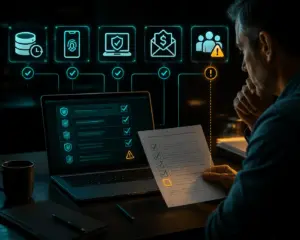


Still on Windows 10? Here’s How You’re Putting Your Business at Risk
Microsoft stopped supporting Windows 10 on October 14, 2025. If your business still uses it, those computers no longer get standard security updates. The computers will still turn on. Your files and apps may still work. That makes the problem easy to ignore. Yet the risk grows each time someone finds a new flaw in Windows 10. Microsoft will not fix that flaw through normal updates. This can affect more than security. Unsupported software may cause issues with compliance, cyber insurance, and the apps your team uses each day. Your business has three main options. You can upgrade eligible computers to Windows 11 for free. You can buy Extended Security Updates as a short-term bridge. You can also replace computers that are too old to upgrade. Many businesses will need to use a mix of all three options. The right choice depends on each computer, its age, and the work it supports. What Windows 10 End of Support Means Microsoft ends support when a product reaches the end of its planned life. For Windows 10, that date was October 14, 2025. Microsoft has confirmed that Windows 10 no longer receives standard security fixes, quality updates, feature updates, or technical support. This does not make a Windows 10 computer fail at once. Nothing shuts down when support ends. The computer may seem no different from the day before. The key change happens behind the scenes. Microsoft no longer fixes new security flaws in Windows 10 through its normal update process. Attackers and security experts will keep finding flaws. On a supported system, Microsoft can release a patch to close the gap. On an unsupported Windows 10 computer, the gap may remain open. Each new flaw can give an attacker another possible route into the computer. The longer the computer stays unprotected,